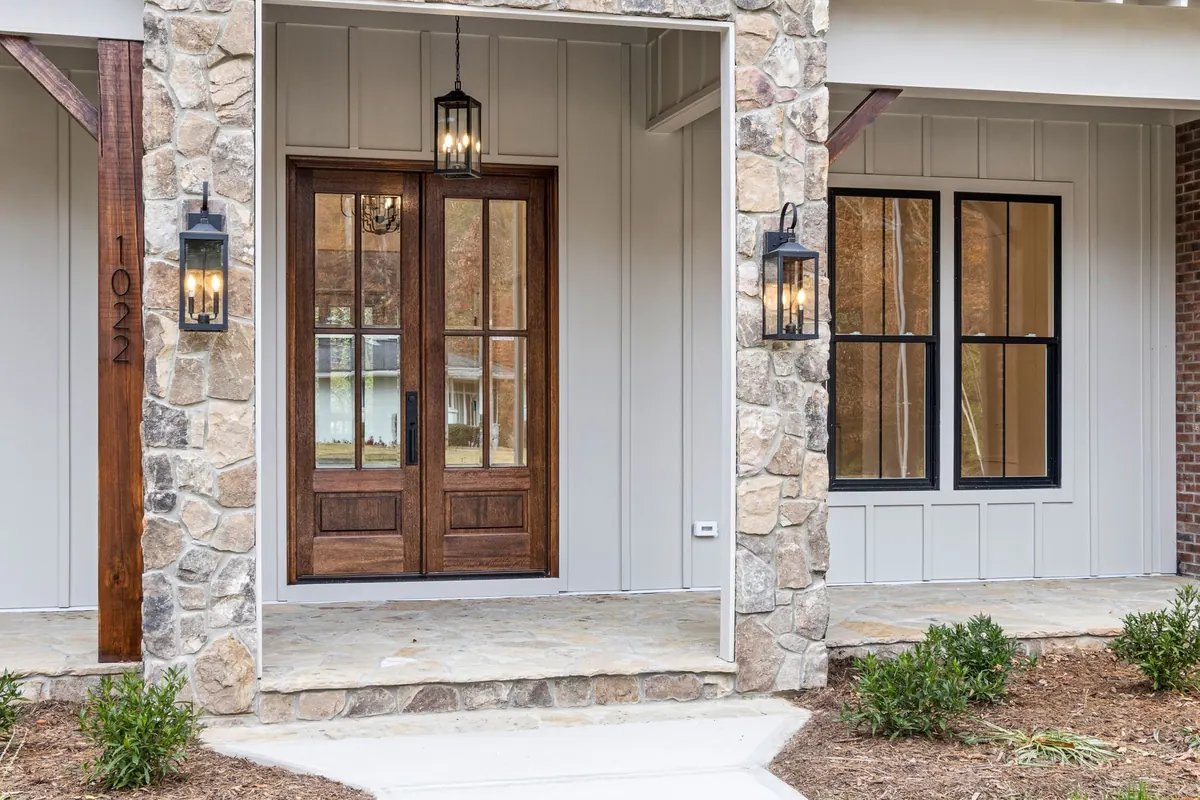
You're standing in the aisle comparing two outdoor wall lanterns. They look identical. One says IP44, the other IP65, and the second one costs a little more. What are you actually paying for?
That pair of digits is the most useful information on the box. It's the difference between a fixture that survives ten rainy winters and one that quietly fills with water and dies in year two. Once you can read it, choosing a light for a porch, a path or a pond stops being guesswork.
What the Two Digits Actually Mean
IP stands for Ingress Protection, and it comes from an international standard known as IEC 60529. It's always written as two digits, and each digit measures something different.
The first digit covers solids — dust, grit, insects, small fingers — and runs from 0 to 6. The second covers water and runs from 0 to 8. So IP65 means the housing is dust tight and can handle water jets. IP44 means it blocks objects larger than 1 mm and shrugs off splashing water.
Two things trip people up. First, the digits don't carry equal weight outdoors: water is what kills fixtures. Dust matters — a wasp nest inside a wall lantern blocks light and traps heat — but rust, corrosion and short circuits come from moisture. Second, a bigger number isn't a strict upgrade in every direction. A fixture rated for continuous immersion isn't necessarily better against a pressure washer than one rated for powerful jets. Different tests, different jobs.
The Water Digit, Decoded
Here's what each number means in plain terms:
- 0 — no protection at all.
- 1–2 — dripping water, straight down or slightly angled. Fine indoors, useless outside.
- 3 — spray up to 60 degrees from vertical. Survives a light rain if it's sheltered.
- 4 — splashing water from any direction. Handles most rain on a covered porch.
- 5 — water jets from a small nozzle, aimed from any direction.
- 6 — powerful jets. Heavy rain and a garden hose at close range.
- 7 — temporary immersion, typically one metre for thirty minutes.
- 8 — continuous immersion, to a depth and duration the manufacturer states.
In practice, most residential outdoor lighting lands between IP44 and IP67. Anything with a plug-in transformer or a low-voltage cable splice wants IP65 or better at every connection. Anything that ends up below grade should be IP67 at minimum.
Damp Location vs. Wet Location: Not the Same Problem
In North America you'll often see "damp location" and "wet location" on the label too. Those terms come from electrical codes rather than the IP system, and they describe where a fixture is allowed to go.
A damp location is sheltered from direct weather but still exposed to moisture — under a roof overhang, in a soffit, on a covered porch. Occasional condensation is expected. A wet location takes rain, snow, sprinkler overspray or standing water head-on.
The two systems overlap but don't match perfectly, which is exactly why the IP number is handy: it's a test result rather than a judgement call. When you're between two options, buy the higher rating. And if you're running new wiring, hardwiring fixtures permanently, or installing anything near water where someone could touch it, get a licensed electrician to check the plan. Rules vary by area, and this isn't the place to improvise.
Matching a Rating to Where It's Going
- Covered porch or under an eave: IP44 or better. Bear in mind that wind-driven rain reaches corners a roof doesn't shelter.
- Open wall, fully exposed: IP65.
- Path and garden stake lights: IP65 for the head — and check the cable connectors, because they usually fail before the lamp does.
- In-ground well lights: IP67. Water pools around them by design, so drainage matters as much as the rating.
- Pond and fountain lights: IP68, and built for submersion. A sealed IP67 uplight is not a pond light.
- Coastal installations: IP65 minimum plus corrosion-resistant materials — powder-coated aluminium, quality stainless steel or resin. Salt air ruins cheap finishes long before water gets inside.
- Pool surrounds and decks: IP65 or higher, on a protected circuit, installed by a qualified electrician.
Where a Good Rating Still Fails
An IP rating is a factory test on a new, correctly assembled unit. On your wall, the weak points are usually elsewhere.
- Gaskets age. Silicone seals outlast cheap rubber. Once a lens gasket goes brittle, water follows. Check and replace them every year or two.
- Cable entries leak. A gland that isn't fully tightened, or a connector left facing upward, funnels water straight into the housing.
- Water gets trapped. Any fixture that can collect water needs a drain path. A solid uplight with a recessed lens and no weep hole becomes a birdbath, and freeze-thaw cracks the glass.
- Pressure beats ratings. IP65 handles rain and a gentle rinse. It won't handle a pressure washer held six inches away. Use low pressure and a wide fan.
- Heat builds up. Sealed LED fixtures need to shed heat. A clogged, dusty housing shortens life even when nothing gets wet.
A Practical Way to Shop
- Be honest about exposure. Under a roof is damp; open sky is wet; below grade or underwater is immersion.
- Buy one step above what you think you need. The price difference is small next to replacing a fixture in two years.
- Check the connectors and cable before you pay. Sealed connectors or a kit designed for direct burial save a lot of grief.
- Look for an independent testing-lab mark on the label — UL, ETL or the equivalent in your region. It means someone outside the factory checked the claim.
- Plan one minute of maintenance each spring: wipe the lens, look at the gaskets, confirm nothing is holding water.
- Call an electrician for anything hardwired near water, or if you're unsure about your circuit protection.
Get the IP number right and the rest of the job — placement, beam angle, colour temperature — becomes the enjoyable part. Get it wrong and you'll be up a ladder with a screwdriver every spring, wondering why the same fixture keeps filling up with water.
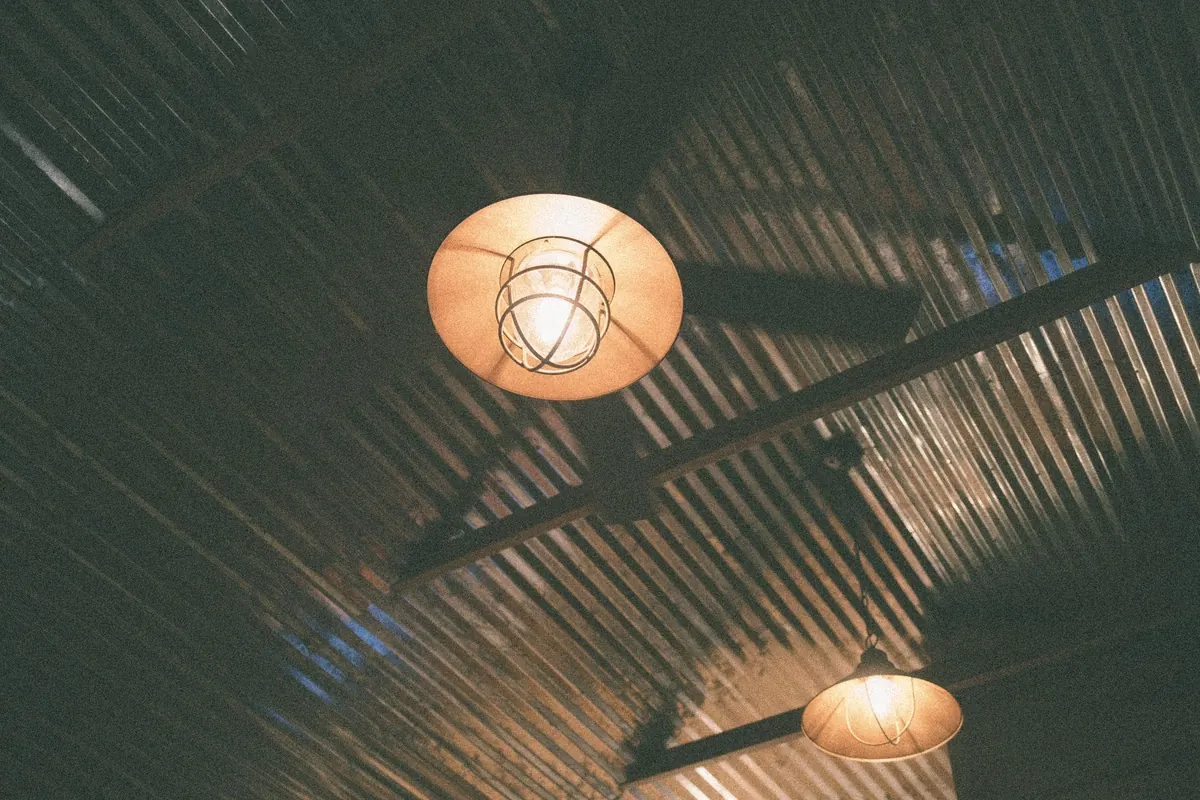
Photo: Jeff Stapleton / Pexels