
A horse chestnut on a piece of string is not, on the face of it, sporting equipment. Then September comes, the husks split on the pavement, and it is. Conkers has been played in schoolyards for generations and the rules have stayed simple: two nuts, two laces, one steady hand. What follows is the standard version — the one you can teach a child in five minutes and still argue about twenty years later. It is also a game with its own strange arithmetic, its own unwritten etiquette, and its own heroes: the battered six-er that once ruled the playground until a bigger kid turned up with a fresh conker and a lucky swing.
Pick a conker that is firm, glossy and heavy for its size. Cracks, soft patches and dull spots all mean a shell that will split early. One straight from the husk is fine but damp, so leave it in a dry room for a few days to harden naturally. Ignore the temptation to grab the biggest conker you can find: it is a bigger target, and size is no guide to strength. A small, dense conker with a smooth shell is often the better fighter. Check the underside too: if it rattles when you shake it, the inside has shrunk away from the shell and it will not last long.
For string, a shoelace is traditional. Around 30–40cm is right. Avoid anything elastic, since a stretchy lace adds a whip that most rules treat as a foul. Cotton or flat laces grip the knot better than shiny nylon. Pierce the conker through its centre with a skewer or a sturdy needle — an adult should help with this bit, especially if the conker is hard. Push the lace through and knot it firmly underneath. A knot tied over a small bead or a button holds better than a plain one and stops the lace pulling back through. Tie a loop at the far end for your finger, or simply wind the slack around your hand. Leave a short tail below the knot so you can retie it if it slips. Before every game, give the lace a tug. A loose conker is not just a bad weapon; it is a hazard.
One player dangles. Hold your lace at the loop so your conker hangs at roughly chest height, arm relaxed, string taut but not stretched, and keep still. The striker grips their own lace near the top, lets their conker hang, draws back and swings down and through. Stand slightly to the side, not directly in front of the holder, so you are swinging across the target rather than into it. The holder should keep their hand out of the strike zone and their eyes on their own conker, not on the incoming swing.
To decide who starts, toss a coin or play odds and evens. The winner chooses to strike or hold first. There is no real advantage: strikers get the glory, holders get the bruises. Some players prefer to hold first because you can study your opponent's swing and learn their timing. Others want the first hit. Either way, agree before you begin.
The game itself is simple. The holder dangles; the striker swings. If the striker hits the holder's conker and it does not break, the striker usually gets another turn. If the striker misses, the roles swap. If the striker breaks the holder's conker, the striker wins and the broken conker is out. If the striker's own conker breaks on impact — yes, it happens — the holder wins. If both conkers break in the same collision, the player whose conker breaks first loses, or you replay with fresh conkers. Agree which rule you are using before the first swing.
A hit means conker on conker

A record-setting conker at this year's championship has players rethinking grip, stance and strike. Here is how the...
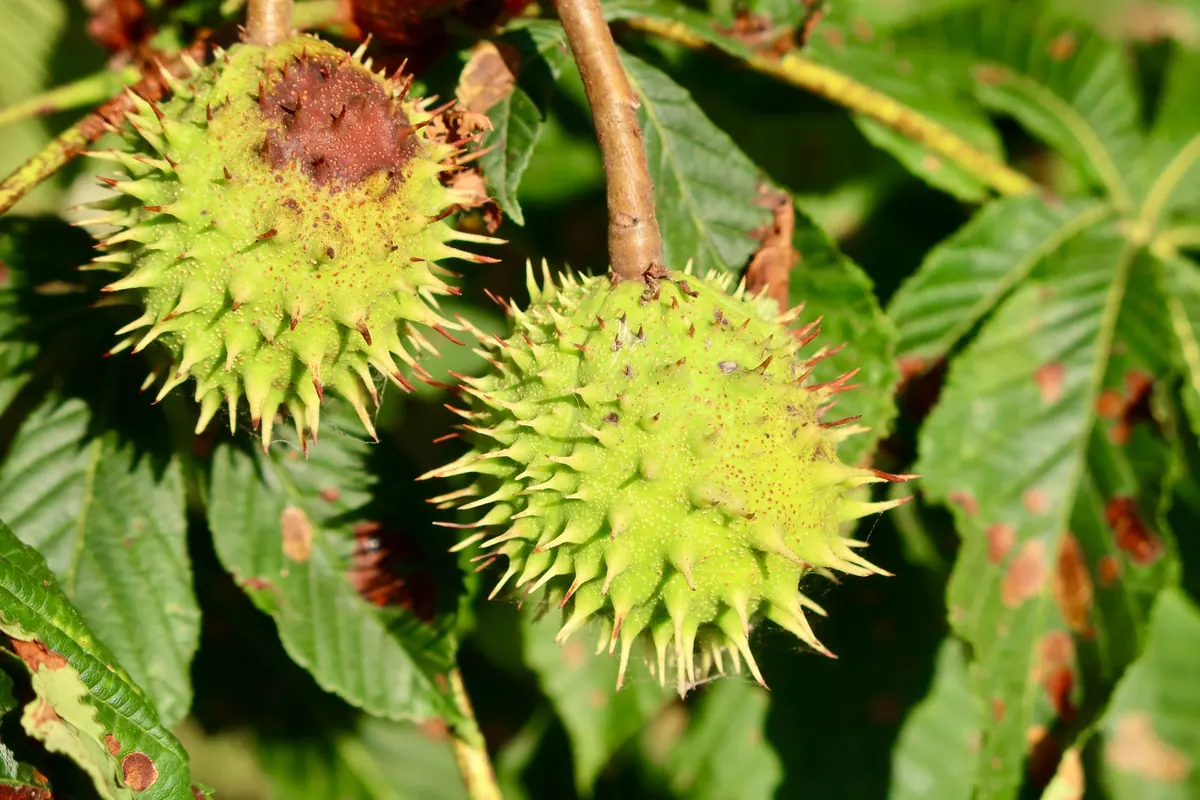
New research on horse chestnut diseases shows how leaf miner, leaf blotch and bleeding canker affect conker size and...

How a bitter, inedible seed from an ornamental tree became the centre of autumn playground life — and how children...
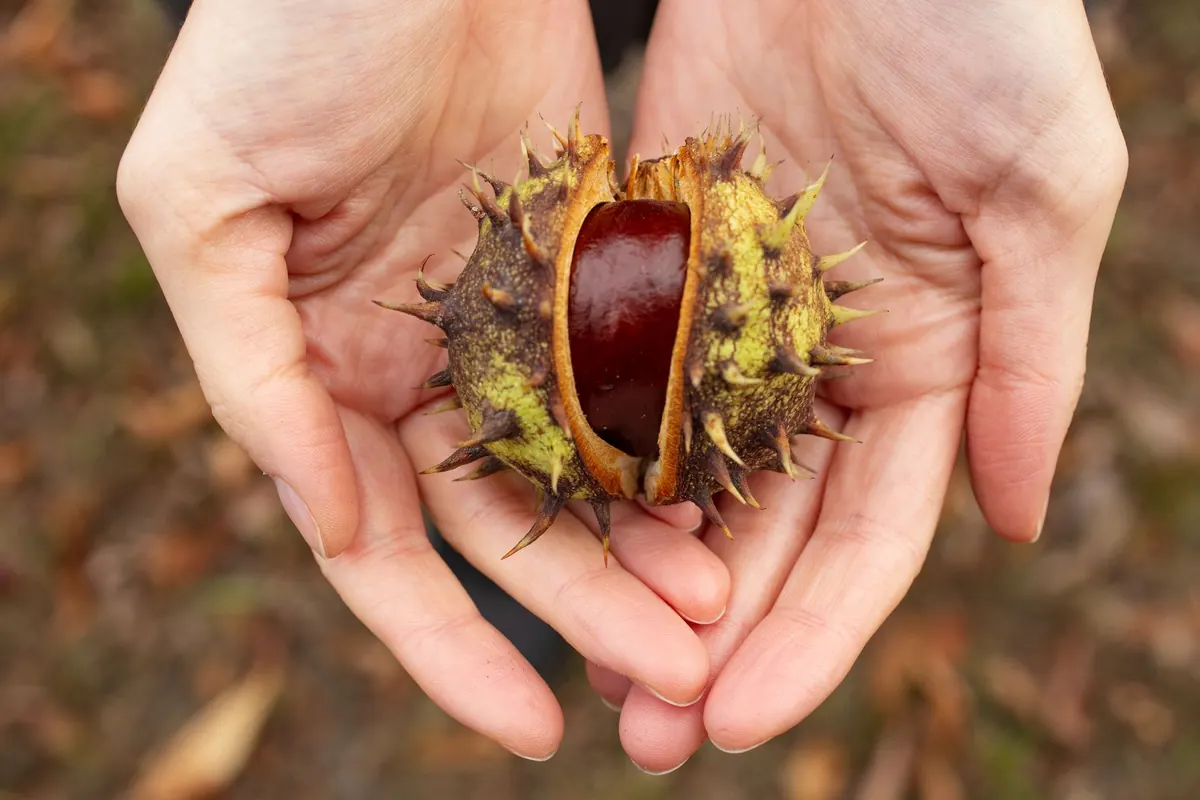

All the conker news, games, and lore..
