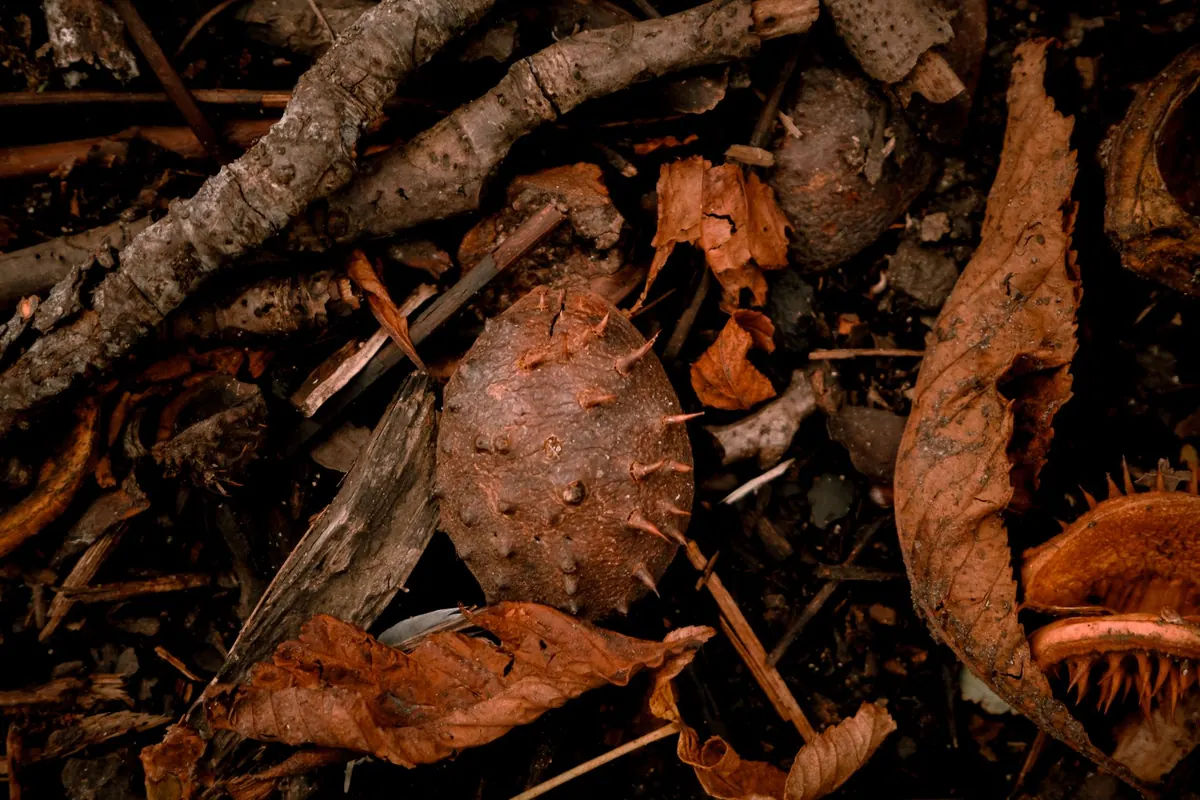
The knock echoed off the marquee poles, and for a second nobody in the crowd moved. When the referee lifted the winning conker, the crowd got a good look at it: a flattened, glossy nut with a hairline crack running from crown to centre, still swinging on its lace. It had just taken out an opponent that had survived four rounds without a scratch. The scoreboard said nine. The record book said nine was enough.
What made the moment worth the trip was not just the number. It was how the shot was set up. The champion spent the first three exchanges doing almost nothing, and the crowd grew restless. Then came one low, angled strike that snapped the other conker clean off its lace. Below is what happened, why it worked, and what you can borrow for your own game.
The final was a best-of-nine between two very different players. The defender played the classic game: hard laces, high hold, big vertical swings aimed at the crown. The eventual champion played a low, patient game that looked almost defensive until it did not.
For the first three shots, the champion kept their conker moving rather than planted. Small shifts, a quarter-turn of the wrist, never quite where the other player expected it. The defender landed two glancing blows that did nothing but scuff the shell. On the fourth exchange, the champion dropped their shoulder, brought the conker in at roughly forty degrees from below, and struck the other conker on its side rather than its top.
That is the shot that broke it. Not a harder swing. A better angle against a weaker part of the shell.
A conker is strongest at the crown and weakest along its sides and the seam where the two halves meet. A straight downward strike hits the crown and loads the whole shell evenly, which is why so many hits just bounce. An angled strike from below puts all the force into one side, and the shell has nowhere to spread that load. It cracks.
The champion also hit a conker that was not moving with the strike. When your target swings away from the blow, energy goes into the swing rather than into the shell. The trick is to catch it as it comes back toward you, or while it hangs still at the bottom of its arc.
Harder is not better. Squarer is better. If your shot lands flat and true on the side of the nut, you barely need to swing.
The winning action is not complicated, but it has to be rehearsed until it is dull. Here is the sequence, in the order it happens.
A great shot with a soft conker still loses. The champion's nut had been prepared months earlier, and the routine is worth repeating every autumn because it is the only part of the game you fully control.
Sort a batch of twenty down to two or three by feel. Tap each conker against a table edge: a dull thud means a soft centre, a bright click means a hard one. Then test your shortlist with light taps against a spare conker. Retire anything that marks easily. You are not looking for the prettiest nut, only the toughest one.
Lace choice matters more than most players admit. A thin, low-stretch lace gives you better feel and less bounce than a fat, springy one. Thread it through the centre, knot it snug against the shell, and trim the loose end short. A long tail whips about and can be grabbed or catch on your wrist mid-swing.
Holding your conker with a slight tilt helps as well. If the face you present is angled rather than flat, incoming blows glance off. Some players re-tie their lace every few shots to keep the freshest, hardest part of the shell facing the other player. It takes seconds and it adds up over a long match.
There is also a rule worth respecting in any organised event: check the current competition rules before you play, since local variations on lacing, soaking and shot limits are common. Play to the rules in front of you, not the ones you grew up with.
You do not need a tournament to rehearse this. Hang a spare conker from a hook, a washing line, or a branch at about waist height, and try to catch it on the side with a rising, angled tap. Twenty hits a day for a week will teach your hands the timing better than a hundred wild swings ever will.
Then find a partner and play fixed-shot games. Agree in advance that both of you will only strike at the side, and count clean contacts rather than breaks. You will lose some matches while you learn, and that is the point. A player who can hit the side of a moving conker on demand will beat a bigger swinger more often than not.
Before your next game, do three things. Cure your nuts properly, retire anything that fails the tap test, and decide in advance that you will wait for the angled shot instead of trading big swings. Keep your stance narrow, your lace short, and your eyes on the other conker rather than the other arm.
Records fall for simple reasons. Someone prepared better, stayed patient, and landed one clean strike on the weakest part of the shell. The rest is noise. Next autumn, that someone can be you.
Photo: Nathan J Hilton / Pexels
New research on horse chestnut diseases shows how leaf miner, leaf blotch and bleeding canker affect conker size and...

How a bitter, inedible seed from an ornamental tree became the centre of autumn playground life — and how children...
Conkers looks like a simple playground game, but its ancestry runs through Roman nut games and snail shells to the...

All the conker news, games, and lore..
