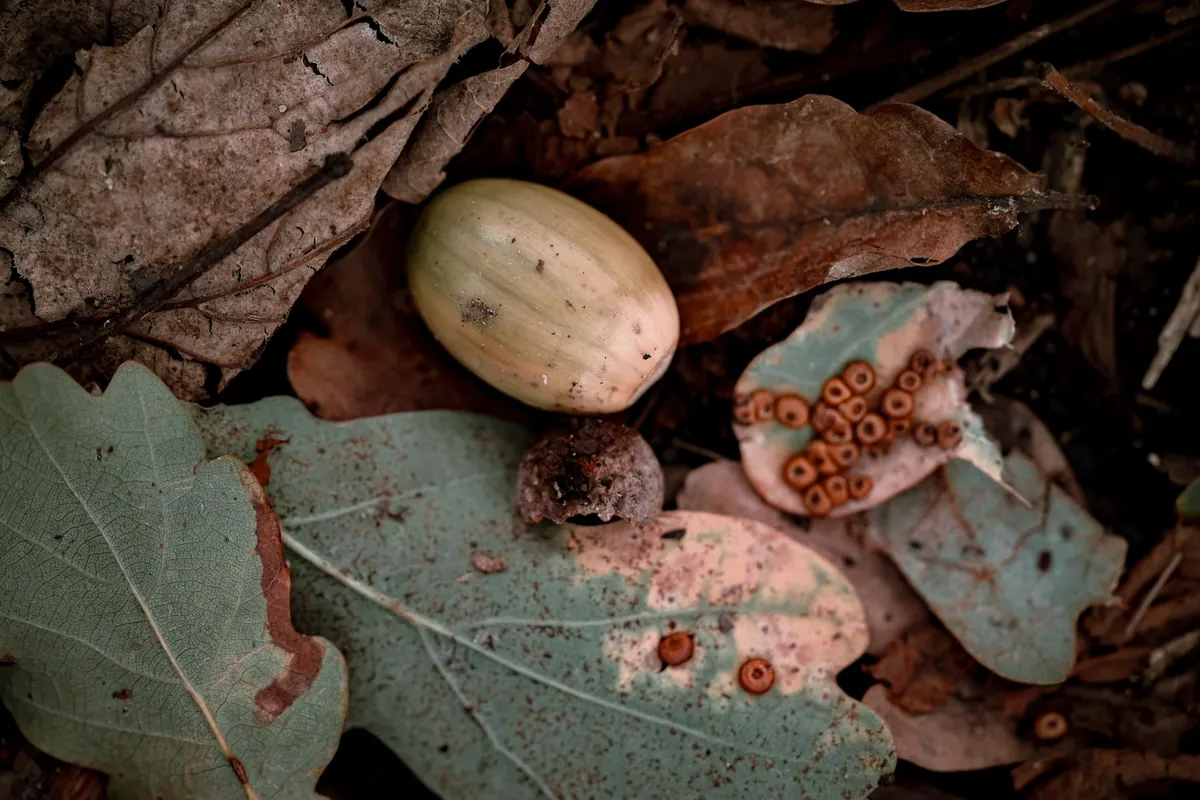
The first conker of the year usually announces itself with a thud. You hear it before you see it: a spiky husk hitting tarmac, a glossy brown nut rolling into the gutter. Then you look up and realise the tree above you is loaded. The trick is not to rush. Wait until the husks open and the conkers fall by themselves, then go out with a bag, a pair of old gloves, and a reasonable amount of patience.
In Britain and similar temperate climates, horse chestnuts usually begin to drop in late August or September, with the main crop arriving through September and October. Trees in sheltered, sunny spots tend to be first; exposed trees and those further north can be a couple of weeks behind. A windy night or a spell of rain will bring down a batch all at once, so those are the mornings worth clearing your diary for.
The first conkers to fall are often pale, small, and still slightly soft. They are not necessarily useless, but they are rarely the best. The finest nuts tend to come later, once the husks have turned from green to brown and split open naturally. If a conker is still tightly held inside a closed green husk, leave it on the tree. It is not ready.
Keep an eye on your local trees every few days from early September. The season is short, and a good crop can be gone in a fortnight if squirrels, weather, and other foragers get there first.
Horse chestnut trees are planted widely in parks, along avenues, in village greens, churchyards, school grounds, and large gardens. They are easy to recognise once you know the leaves: large, palmate, with five or seven leaflets arranged like fingers on a hand. In autumn, the spiky husks are unmistakable.
The best collecting is usually on grass, bare earth, or quiet pavement beneath a mature tree. Conkers on grass tend to be cleaner and less bruised than those on tarmac or gravel. Roadside trees can still produce good nuts, but busy traffic is a distraction, and roadside conkers are often grimy. If you are collecting with children, choose a park or a quiet lane rather than a main road.
Check local rules before you fill a bag. Many public parks allow you to pick up fallen conkers, but some nature reserves, private estates, and managed woodlands ask visitors not to remove anything. On private land, ask first. Never pull conkers from the tree or break off branches; the whole point of a conker hunt is that the tree does the work for you.
Look up before you look down. A healthy horse chestnut in full autumn colour will show you where the crop is. The husks hang in clusters, turning from green to a dull brown as they ripen. When they split, the conkers inside are ready to drop.
On the ground, look for a mixture of open husks and loose nuts. If you find only closed green husks, the tree is not ready. If you find a carpet of empty husks but no conkers, you are probably too late, or the squirrels have beaten you to it.
Watch where you put your hands. Split husks can be sticky, and wasps sometimes gather around the sweet-smelling husks. A pair of gardening gloves is a sensible addition to your bag, especially if you plan to open husks to check the nuts inside.
Not every conker is worth taking home. The best ones are firm, heavy for their size, and glossy, with a rich mahogany colour and a pale scar where they sat in the husk. Give them a quick once-over before they go in the bag.
If a conker is still in its husk, open the husk carefully. A ripe conker will slip out easily. If you have to wrestle it free, it is probably underripe. Take a few extra good ones, but do not clear the whole site; you only need enough for your own use.
A conker hunt should leave the wood looking much as you found it. Take only what you need, and leave plenty behind for wildlife and for the tree's own regeneration. Fallen husks and leaves break down and return nutrients to the soil, so leave them where they are.
Do not shake branches, climb trees, or strip a tree bare. If you are in a group, spread out and avoid trampling young plants. In popular parks, it is worth leaving the first few conkers you find so that other people, especially children, can enjoy the hunt too.
When you get home, tip your conkers out onto newspaper or a tray. Wipe off loose mud with a dry cloth, but avoid washing them; excess water encourages mould. Let them dry in a cool, airy place for a few days. A cardboard box or paper bag works well. Do not seal them in a plastic tub while they are still damp.
Check your stash every few days and remove any that have gone soft, cracked, or mouldy. The gloss will fade as they dry, which is normal. For play, hard, dry conkers are best. For display, a shallow bowl on a windowsill is hard to beat.
Keep conkers away from pets and small children who might chew them. Horse chestnuts are not edible. They contain aescin, which is toxic to humans, dogs, and horses. If you think someone has swallowed a conker, contact a doctor, poison control, or a vet promptly.
You do not need much equipment: a cloth bag, a pair of gloves, and a few minutes after a windy night. Start checking your local trees in early September. Collect from the ground, choose firm glossy nuts, and leave the undersized and damaged ones behind. Wash your hands afterwards, and store your haul somewhere dry and well ventilated.
The best conker season is not the one where you fill the biggest bag. It is the one where you find a good tree, take a handful of perfect specimens, and leave the rest for the squirrels, the soil, and next year's children. Go after a windy night, keep your eyes on the ground and the tree, and enjoy the short, generous window that autumn gives you.
Photo: Nathan J Hilton / Pexels
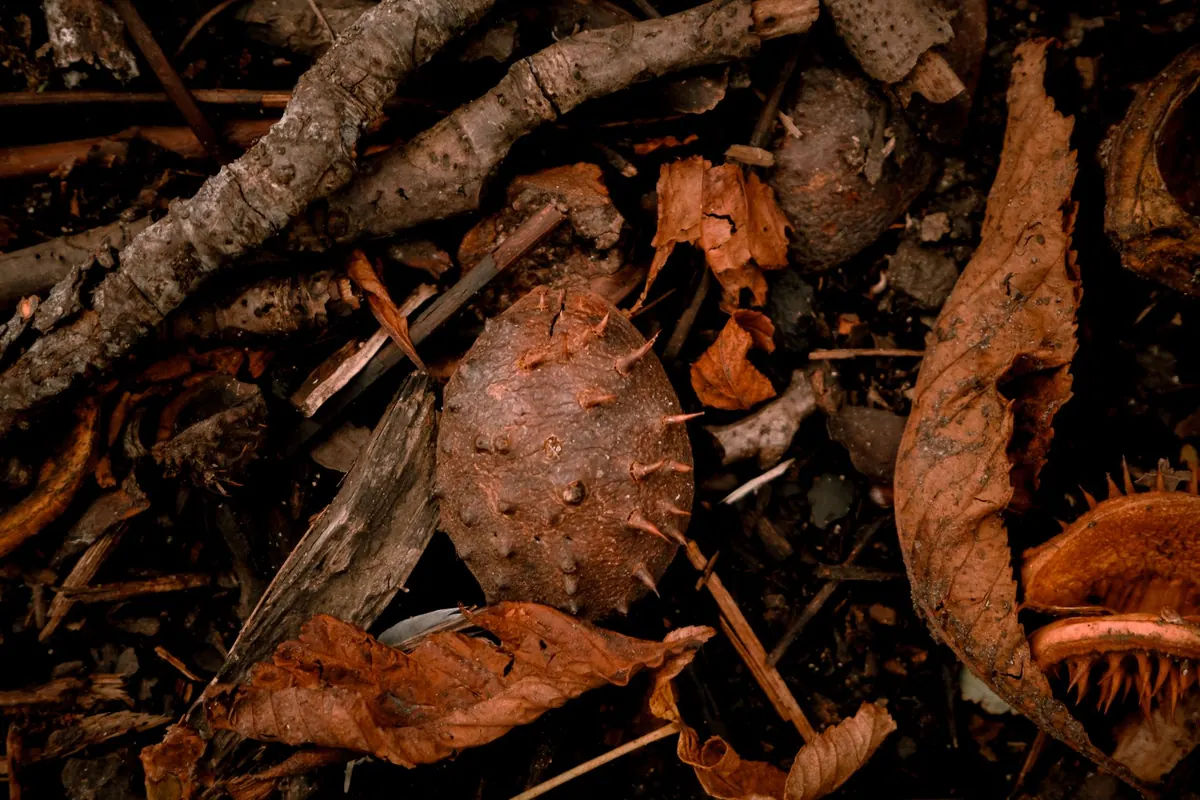
A record-setting conker at this year's championship has players rethinking grip, stance and strike. Here is how the...
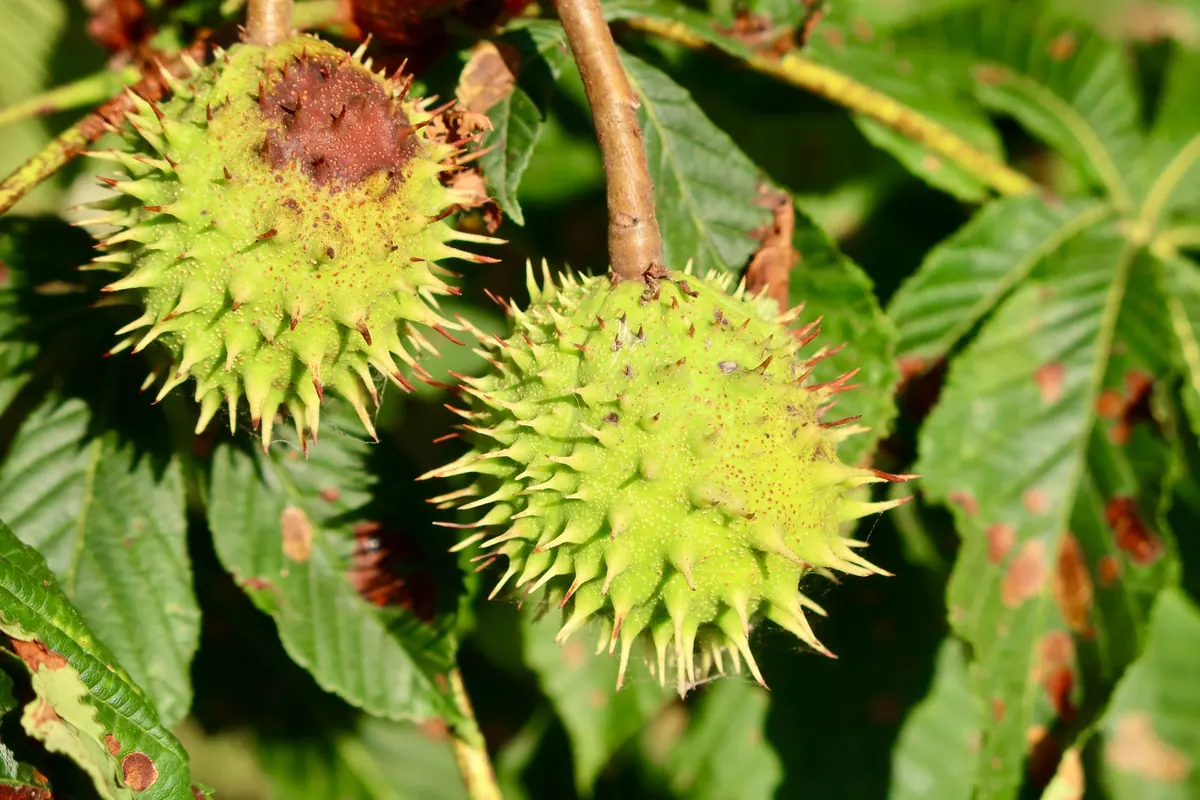
New research on horse chestnut diseases shows how leaf miner, leaf blotch and bleeding canker affect conker size and...

How a bitter, inedible seed from an ornamental tree became the centre of autumn playground life — and how children...
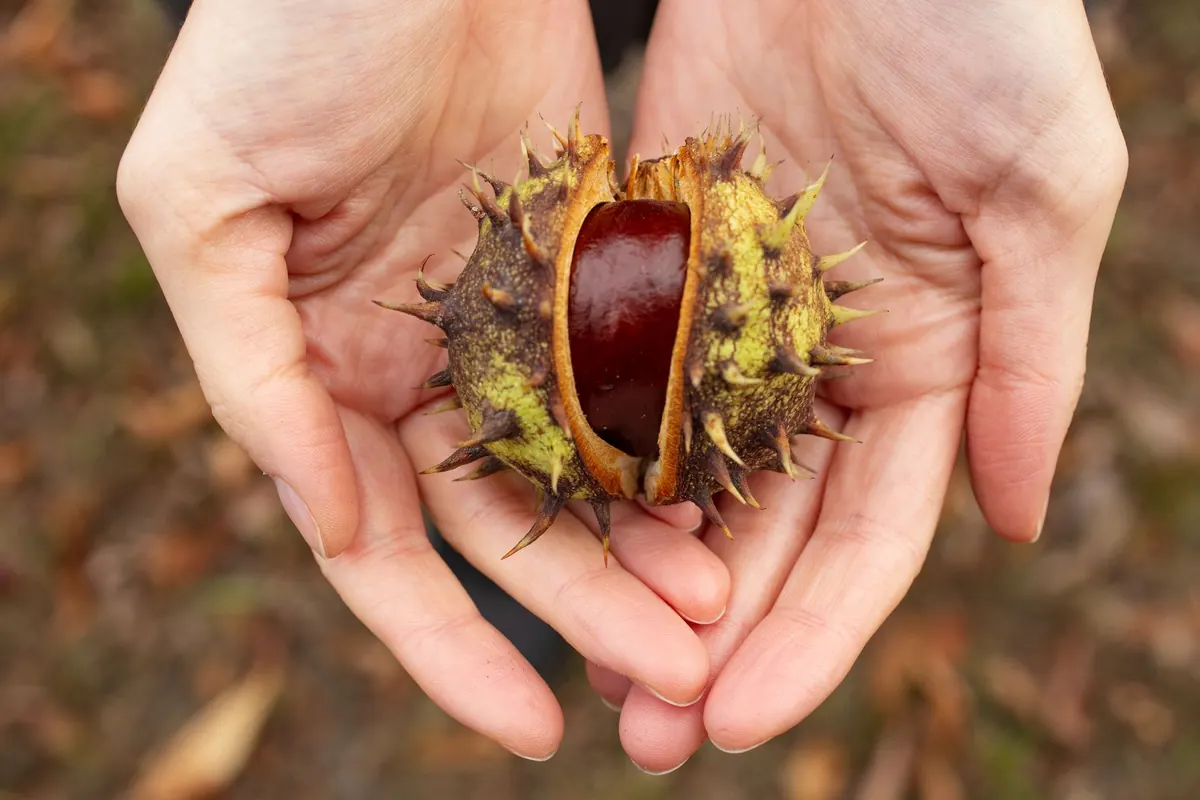

All the conker news, games, and lore..
